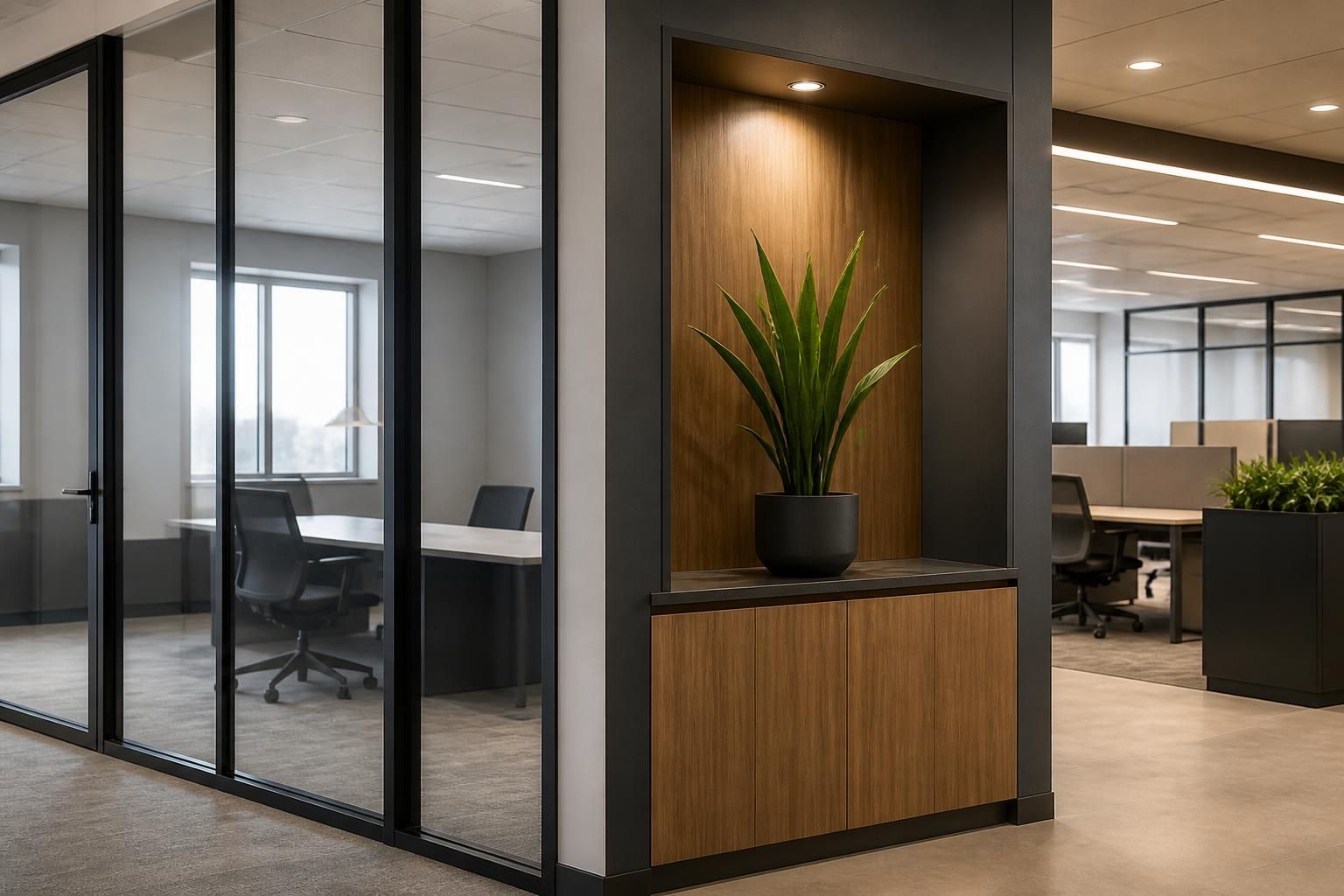
When a leased space no longer matches how your business works, every day spent waiting can slow operations, confuse staff, and frustrate customers. You may need new walls, better circulation, updated finishes, or a layout that supports a different tenant use without turning the process into a long disruption.
DCR Northwest helps property owners and tenants plan tenant improvements for Bend, OR spaces with a clear path from early design through final walkthrough. We coordinate each phase so the work stays organized, the scope stays clear, and the finished space feels ready for real use instead of a rushed turnover.
Tenant improvements reshape an existing space to fit a new occupant, a refreshed business model, or a better day-to-day workflow. That can mean selective demolition, new partitions, upgraded surfaces, custom carpentry, or coordinated buildout work that supports the tenant's goals without starting from a blank lot.
For Bend, OR property owners and tenants, the value of a thoughtful buildout is simple: the space should support the people using it. We help define what needs to change, what can stay, and how to phase the work so the final result feels intentional rather than pieced together.
DCR Northwest works on tenant improvement projects that range from straightforward interior updates to more involved buildouts with planning, design, and construction coordination. If your space needs changes that go beyond a cosmetic refresh, we can help map the work from start to finish.
Our tenant improvement services may overlap with design-build, preconstruction services, project management, site preparation, custom carpentry, remodels and renovations, commercial construction, and new builds when the scope calls for it. That flexibility helps keep the project aligned with the actual space conditions and the intended use.
We help define how the interior should be arranged so the layout supports daily use, traffic patterns, and the overall purpose of the tenant space.
This may include framing, wall changes, openings, finish work, and other construction needed to turn a bare or dated interior into a usable setting.
We coordinate the surfaces and detailing that shape how the space feels, from trim and millwork to final visual touches.
Tenant improvements work best when everyone understands the scope early. We use a design-build approach that gives clients a direct path from first conversation to completed space. That reduces confusion, keeps decisions organized, and helps you see how each choice affects the next phase.
At DCR Northwest, the process starts with a discovery call, followed by an in-home or on-site consultation, custom design and proposal, project planning, expert execution, a quality walkthrough, and project completion. Each step exists to keep the project moving with fewer surprises and more clarity.
We learn what the tenant space needs to do, what is not working now, and what priorities matter most for the buildout.
We review the existing conditions, talk through practical options, and identify construction details that could affect timing or scope.
We develop a plan that reflects the space, the intended use, and the agreed-upon work so you can move forward with confidence.
Once the scope is set, we coordinate the construction sequence and carry out the work with attention to the surrounding space.
We review the completed space, confirm the details, and finish the job with a clean handoff.
Tenant improvement projects often need more than construction alone. They need early decisions about layout, material selection, and how the finished space should support the tenant's day-to-day use. Design-build keeps those pieces connected, so design choices and field work support each other instead of competing.
This approach is especially helpful when a space has to serve a specific business function or when the project needs to balance practical limits with a polished result. With one coordinated path, it becomes easier to adjust details before they become costly changes once construction is underway.
Construction inside an occupied or soon-to-be occupied space calls for care. Dirt, debris, noise, and clutter can affect neighboring areas and create a poor experience for the people who still need to use the space during the project. We pay attention to those details from the beginning.
DCR Northwest emphasizes craftsmanship, communication, and cleanliness throughout the job. That means setting expectations clearly, keeping the work area organized, and respecting the space while the improvement is underway. The goal is not just a finished interior, but a process that feels controlled and professional.
Tenant improvements can change quickly if the scope is not defined early. A good plan considers what the tenant needs now, what might change later, and how much of the existing interior should be retained. That planning stage is often where a project becomes smoother or more frustrating.
We help Bend, OR clients think through the practical side of the work before construction begins. That may include how walls are arranged, where custom carpentry can add function, how the phases should be sequenced, and which parts of the building need to stay protected during the work.
Tenant improvements often involve more than one decision-maker. Property owners may be thinking about long-term building value, while tenants are focused on fit, function, and the day-to-day experience of using the space. A solid improvement plan needs to respect both sides of that equation.
We help keep the conversation practical. That means understanding the intended use, clarifying the project scope, and building a result that fits the space without unnecessary complexity. Whether the project is a single interior refresh or a larger reconfiguration, the work should support the people who will rely on it next.
DCR Northwest serves Bend, OR and nearby Central Oregon communities, including Redmond, Sisters, Sunriver, Tumalo, La Pine, Prineville, Powell Butte, and Terrebonne. Local projects benefit from a contractor who can stay aligned with the site, the schedule, and the expectations that come with a real working space.
If you are planning tenant improvements for a commercial interior, a move-in ready suite, or a space that needs a better layout before occupancy, we can help turn the plan into a finished result. DCR Northwest is based at 2900 NW Clearwater Dr, Bend, OR 97703, USA, and can be reached at +12069229920 or cory@ridemarketinggroup.com.
Tenant improvements focus on adapting a leased space for a specific occupant or use. A remodel can be broader and may not be tied to tenant turnover or lease needs.
Yes. Reworking walls, openings, circulation, and support areas can make the space feel more usable without starting over.
No. Some projects are light buildouts with selective changes, while others involve more extensive interior reconstruction and finish work.
As early as possible. Early planning helps clarify the scope, identify site constraints, and keep the project sequence organized before construction begins.
Yes. Custom carpentry can add built-in function, cleaner transitions, and details that help the finished space feel tailored to its use.
That is where a design-build approach helps. It keeps the layout, materials, and construction plan connected from the start.
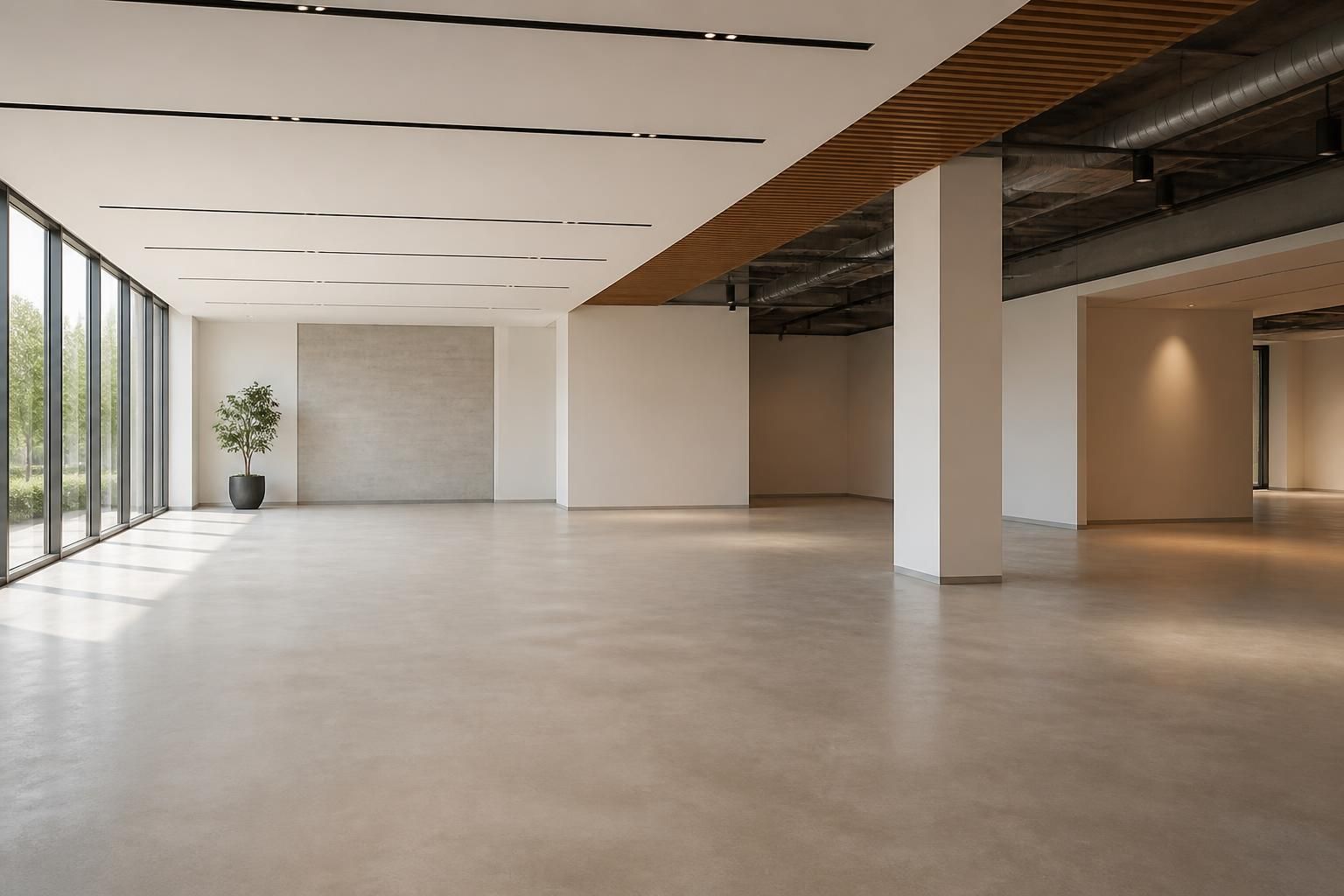
Start Your Project
Tell us about your home, commercial space, or renovation goals. We will help you think through design, scope, planning, and the next steps for your project.